
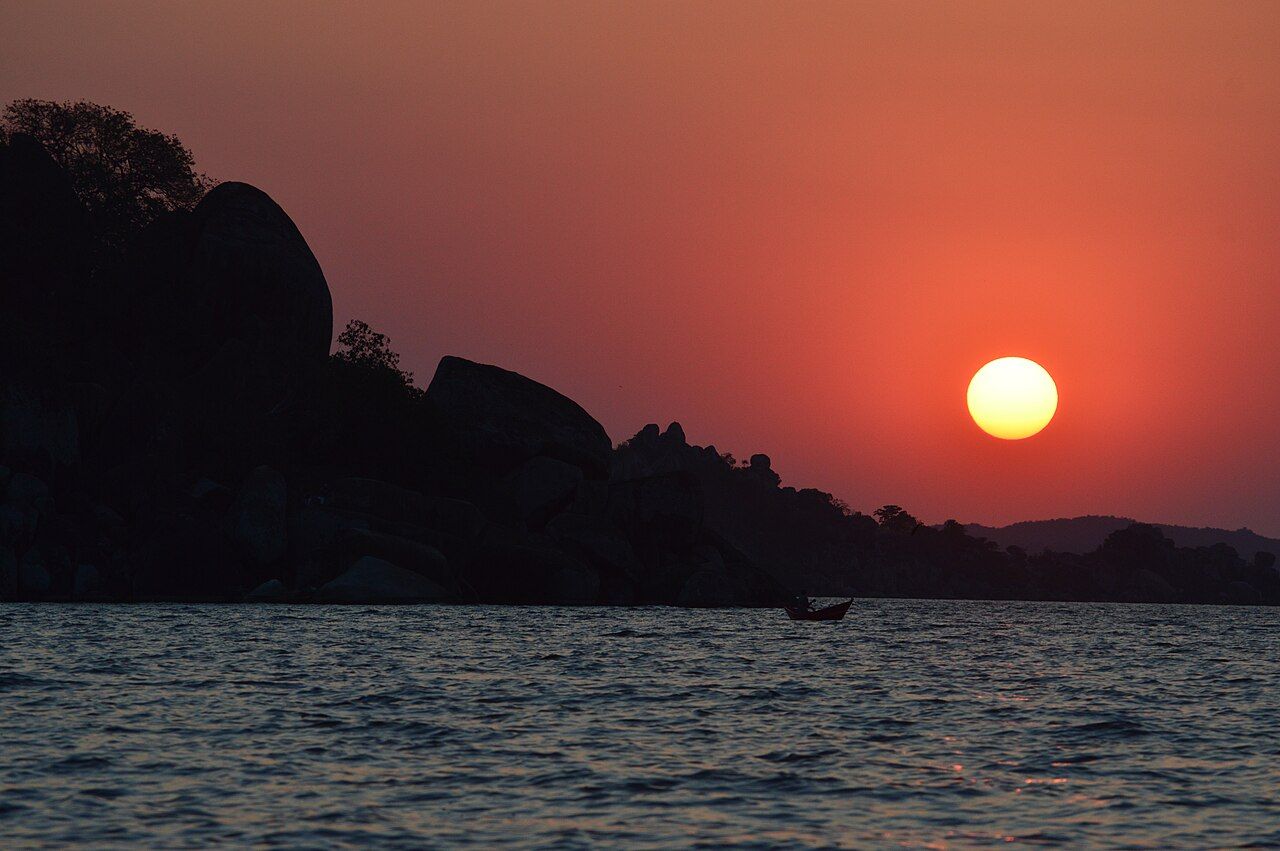
Mwanza grows out of rock. Huge rounded boulders of grey granite sit on its hills, between its houses and out in the water of its bays, and the city has spread around them rather than clearing them away. Residents sometimes call it Rock City, and after a day here the name feels less like a slogan than a plain description.
It is one of the largest cities in Tanzania and the main port on the Tanzanian side of Lake Victoria, the biggest lake in Africa, which the country shares with Uganda and Kenya. Few travellers stay long. Most pass through on the way to somewhere else, which is a shame, because the lakeshore rewards a slow day or two: walks along the harbour, boats at dawn, a ferry to an island, a sunset you do not have to share with a crowd.
A city built on boulders
The centre is compact and busy. Streets run down towards the lake from the clock tower area, lined with low concrete buildings, market stalls and small workshops, and motorbikes and minibuses weave between parked cars. New apartment blocks rise behind older two-storey shopfronts with balconies. None of it is especially old, but it is lively, and the hills around the centre give you views across the water from almost anywhere you climb.
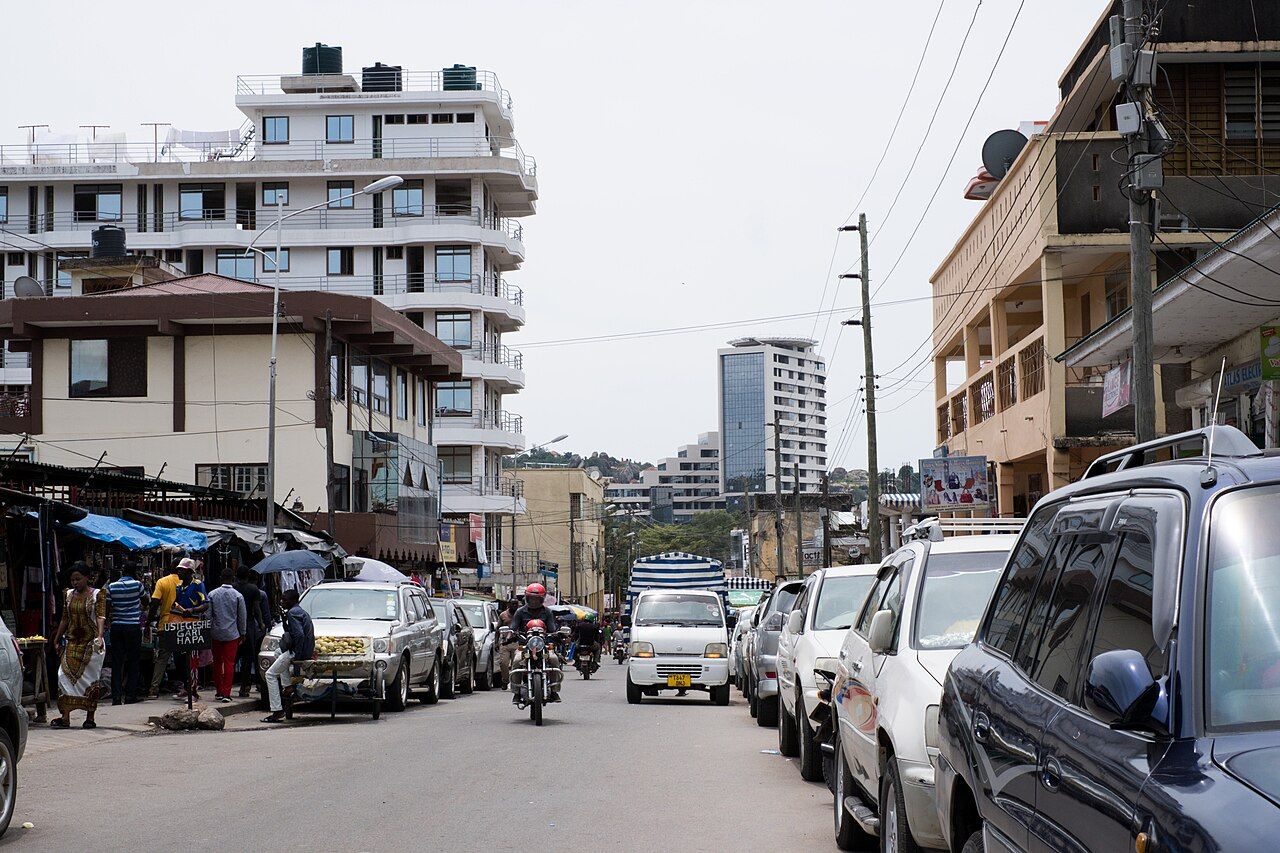
Away from the main roads, neighbourhoods climb the rocky slopes in tight lanes. Houses are built against boulders, on top of them and sometimes around them. Walking up any of these hills in the cool of the morning gives you a sense of the city's shape: a bowl of granite opening onto the lake, with the water stretching to a hazy horizon.
The weather is warm for most of the year, softened by the lake. Rain falls in two seasons, a short one towards the end of the year and a longer one from about March into May, and the dry months from June to October are the easiest time to walk the shore and travel on to the parks further west.
Bismarck Rock and the harbour
The city's emblem stands just offshore near the ferry port: a tall pillar of stacked granite with a single boulder balanced on top, as if someone set it there and walked away. It is named after the German chancellor, a leftover from the years when this part of East Africa was a German colony. You cannot climb it, and you do not need to. The best view is from the shore beside the harbour, where the rock lines up with the open lake behind it.
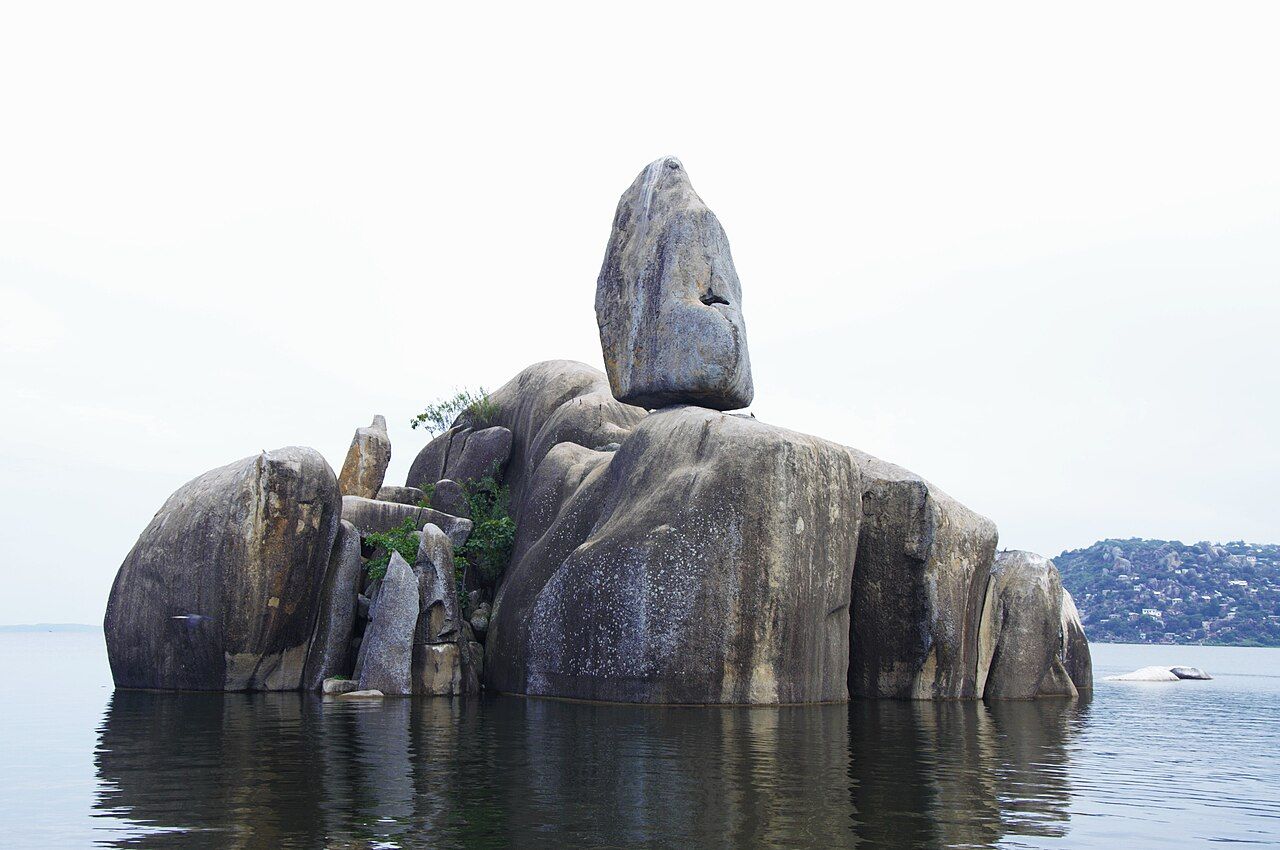
Come early in the morning or late in the afternoon. At midday the light is flat and the heat bounces off the water; at the edges of the day the stone glows and the lake turns silver, then copper. Pied kingfishers hover over the shallows, and cormorants dry their wings on the lower rocks.
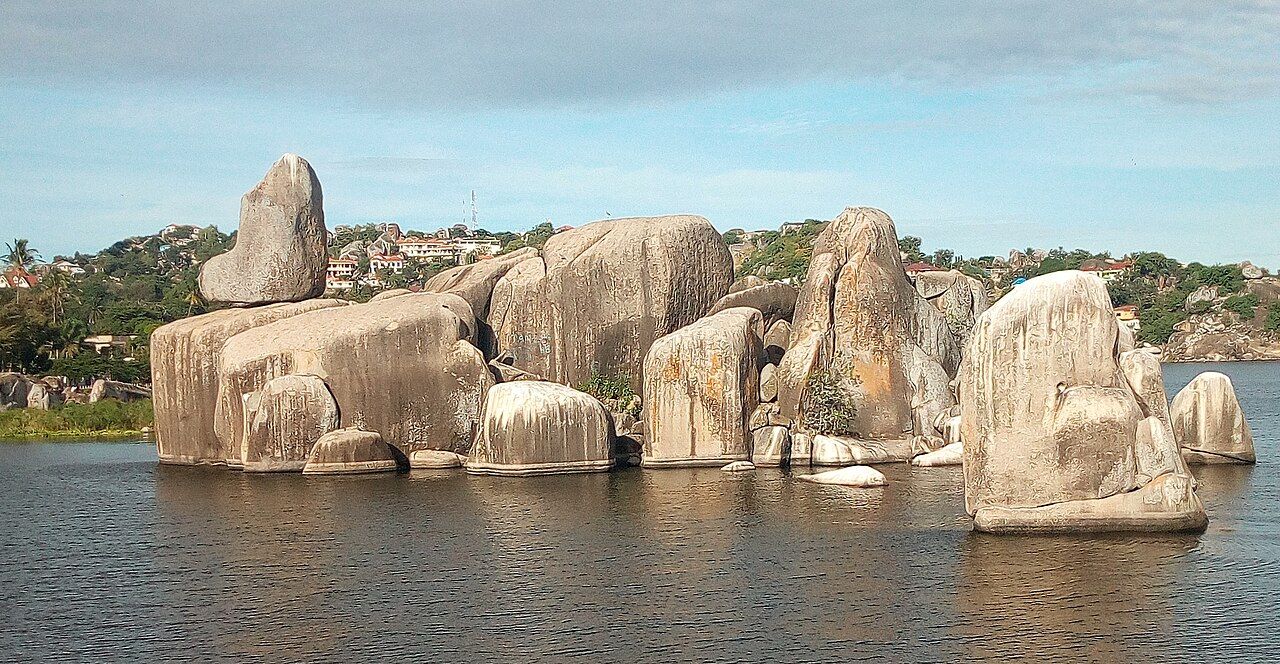
The harbour area itself is a working place, not a promenade. Cargo is carried on and off boats, passengers wait with bundles for the island crossings, and traders sell fruit and cold drinks. Keep your bag close, ask before you photograph anyone, and enjoy the show from the edges.
Fishing boats and the morning catch
Fishing has shaped the whole southern shore of the lake. Wooden canoes and larger planked boats go out in the late afternoon and evening, and some fish through the night with lamps that draw small silvery fish to the surface. These fish, called dagaa in Swahili, are dried in great pale carpets on the beaches and sold by the bucket across the country. Larger fish, including the Nile perch introduced to the lake in the last century, go to market and to processing plants.
Further on: Rubondo, an island forest in Lake Victoria
At dawn the boats come back to landing beaches around the city, and the shore fills with people sorting, weighing and carrying the catch. It is noisy, wet and entirely uninterested in visitors, which is part of its appeal. Stand back from the work, keep out of the way of anyone carrying a heavy load, and ask before you take pictures of people. A smile and a greeting go a long way; the guide to a little Swahili for the road has the words you need.
The lake itself has had a hard century. Introduced species, water hyacinth, pollution and heavy fishing have changed it, and many of the small native fish that once filled it have declined. You will see that history in the catch, in the weed along some shores and in the busy boatyards, and it is worth keeping in mind when you read the lake as a postcard.
Ferries and islands
Ferries are part of daily life on the lake. Boats carry people, produce and vehicles to the larger islands and across inlets that would otherwise mean long drives around the shore. The largest island, Ukerewe, lies to the north of the city and has its own fishing villages, small farms and quiet lanes. Smaller boats run to islands closer in.
Just off the city shore, Saanane Island is a small protected area of rock and bush reached by a short boat ride, where you can walk among the boulders and watch the lake from above. Rock hyraxes, monitor lizards and birds are the usual company. It makes an easy half day if you want a little green space without leaving town.
Ferries on the lake are working transport first, and the timetable bends to weather, cargo and demand.
Ferries on the lake are working transport first, and the timetable bends to weather, cargo and demand. Departures, fares and the condition of individual vessels vary, so ask at the port the day before. Choose boats that carry life jackets, avoid overloaded ones, and do not travel on the open lake in a storm; squalls can rise quickly in the afternoon.
Mwanza as a gateway to the west
Mwanza is where many journeys into western Tanzania begin. Roads lead west and south towards the forests and lakes beyond, and the city has an airport with domestic flights. The old central railway line also reaches the lake here, and the long journey by rail from the coast is an adventure in its own right; the piece on buses, dala-dalas and getting around covers the wider network.
From here the island park of Rubondo lies to the west, reached by road and then boat. Further on, the shores of Lake Tanganyika and the chimpanzee forests of Gombe are a long journey away, but Mwanza is a sensible place to rest, stock up and reorganise before you go. The Serengeti's western edge is also within reach by road, though that is a different, much busier kind of trip.
Give the city at least one unhurried day. Walk the harbour at sunset, climb a hill in the morning, eat grilled tilapia by the water, and watch the boats leave as the light fades. If your trip is planned around the seasons, the overview of dry seasons and rains helps you choose when to head west.
Pictures here: Dominicdeus – CC BY-SA; Isingo Raphael – CC BY-SA; Hualin – CC BY-SA; Kitwee Kisai – CC BY-SA


