
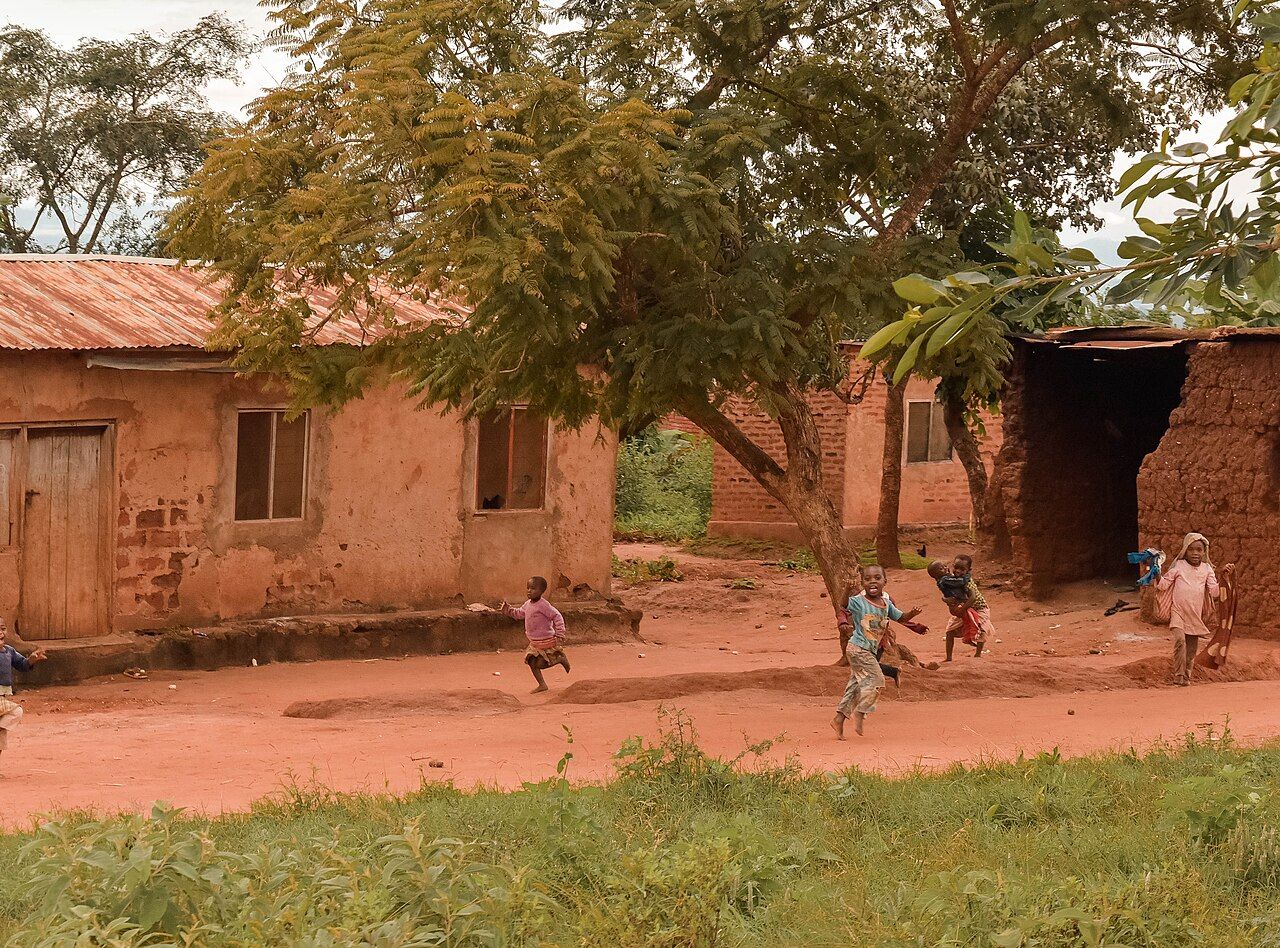
Swahili, or Kiswahili as it is called in the language itself, is spoken across East Africa and is the national language of Tanzania. Most people use it every day, alongside one of the country's many local languages. English is spoken in tourist areas and by many educated people, but in villages, markets and on buses, Swahili is the language of life. Learning even a little shows respect and makes daily encounters warmer.
The good news is that Swahili is easier to pronounce than many languages. Words are mostly spoken as they are written, vowels are clear, and the stress usually falls on the second-to-last syllable.
Greetings come first
Greetings matter a great deal in Tanzania. People do not launch into a question or a request without greeting first, and doing so seems abrupt. Take a moment.
- Jambo is the greeting visitors hear most, and it works, though Tanzanians among themselves often use others.
- Habari? means "what news?" The usual answer is nzuri, "good", whatever the actual news.
- Mambo? is a casual greeting among younger people; answer poa, "cool" or "fine".
- Shikamoo is the respectful greeting for an elder. The elder replies marahaba.
Using shikamoo with older people is one of the simplest ways to show good manners. It is noticed, and it often brings a smile.
Greetings often go on for a while, with questions about home, family, work and the journey. The answers are almost always positive. You do not need to know them all; keep to a couple and let the other person lead. Handshakes are common and can last longer than you expect, sometimes with the left hand touching the right forearm as a mark of respect.
Polite words that do a lot of work
- Asante: thank you. Asante sana: thank you very much.
- Tafadhali: please.
- Samahani: excuse me, or sorry, when you need to get past or get attention.
- Karibu: welcome, also said when offering something or inviting someone in. You will hear it often.
- Hodi: said at a doorway to ask if you may come in. The answer is karibu.
- Ndiyo and hapana: yes and no.
- Kwa heri: goodbye.
The word pole means sorry in the sense of sympathy, when someone is tired, hurt or has had bad news. People will say it to you after a long journey. Pole pole means slowly, and you will hear it on mountain paths and in many other situations. It is also a good piece of advice for travelling here generally.
Further on: Buses, dala-dalas and getting around
Numbers and prices
Knowing numbers helps in markets, on buses and when agreeing fares.
- moja
- mbili
- tatu
- nne
- tano
- sita
- saba
- nane
- tisa
- kumi
A hundred is mia, a thousand is elfu. To ask the price, say bei gani? If a price seems high, a smile and punguza kidogo, "reduce a little", is a friendly way to bargain in markets where bargaining is normal.
Prices in shops, on dala-dalas and for many set services are fixed, and bargaining there would be odd. In open markets, for crafts and for some taxis, a little gentle bargaining is expected. Keep it friendly, and once you have agreed a price, pay it.
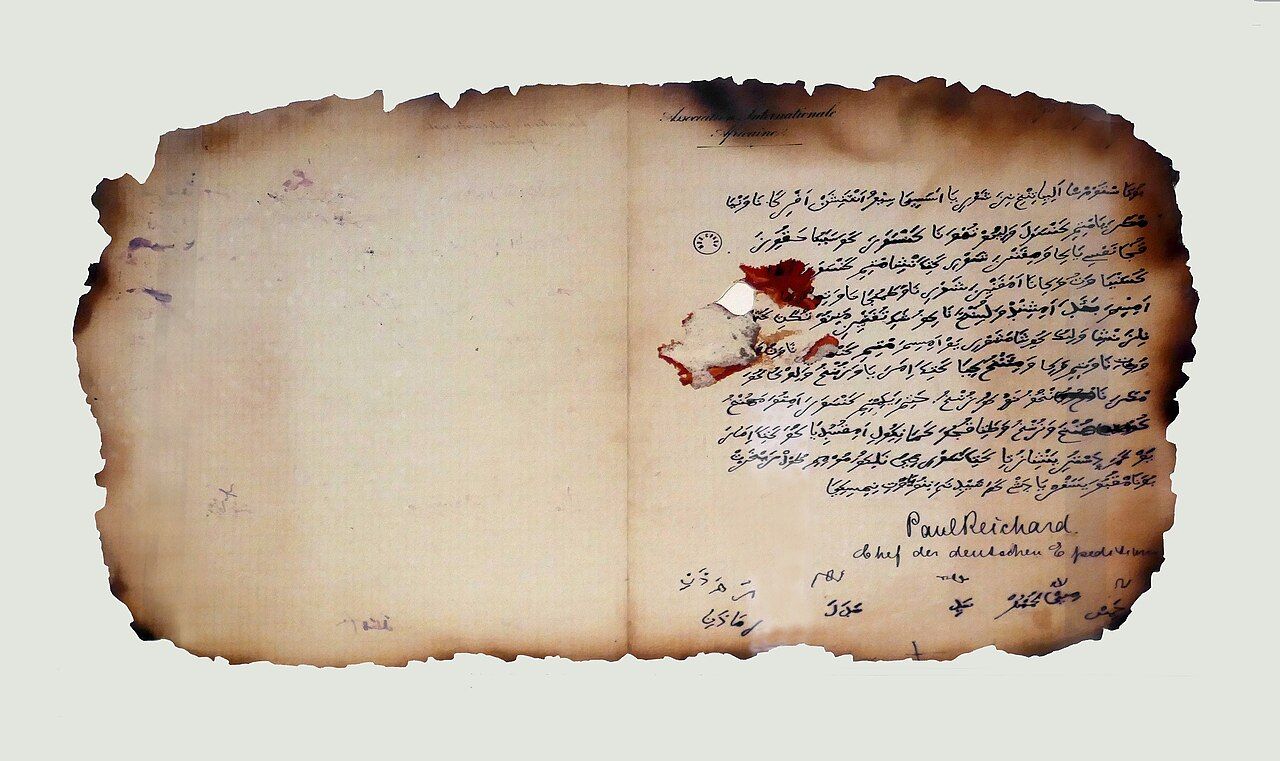
Old Swahili was written for centuries in an adapted Arabic script before the Latin alphabet took over, and the coast still keeps manuscripts, poems and letters from that time. Many Swahili words come from Arabic, and others from Persian, Portuguese, Hindi, German and English, a record of the long trading history of the coast.
Swahili time
Swahili counts the hours from sunrise rather than midnight. Near the equator, daylight begins around six, so saa moja, the first hour, is about seven in the morning by the clock you are used to. When someone gives you a time, check whether they mean Swahili time or the international clock. It avoids a great deal of confusion.
Buses, ferries and meetings can be given either way, and a bus said to leave at saa kumi na mbili, the twelfth hour, is leaving at six in the evening, not at noon.
Useful words on the road
- Wapi?: where?
- Choo: toilet.
- Maji: water.
- Chakula: food.
- Rafiki: friend.
- Hakuna shida: no problem.
- Sielewi: the way to say you do not understand.
Animal names are familiar from films: simba is lion, tembo is elephant, twiga is giraffe. You will also hear mzungu, used for foreigners of European background. It is usually not meant rudely; a smile and a greeting in return is the best answer.
A few phrases help when you are moving about. Nataka kwenda, followed by a place, tells people where you want to go; simama hapa means "stop here", useful on a dala-dala. Ngapi? means "how many?" or "how much?" for a number. Write a few of these in a notebook and use them.
Patience and politeness
Tanzanian manners value calm. Raising your voice rarely helps and often harms. Use the right hand to give and receive, especially money and food. When people ask about your family or your journey, take the time to answer.
The coast and islands, such as Pemba and Pangani, are places where Swahili culture runs deepest and where a few words are especially valued. On buses and dala-dalas, described in getting around, numbers and greetings are what you will use most.
No one expects perfection. A greeting attempted with a smile is better than fluent English delivered in a hurry. Start with habari and asante, add a little more each day, and let people correct you. Most will be delighted to.
Pictures here: Rasheedhrasheed – CC BY-SA; Ji-Elle – CC BY-SA

