
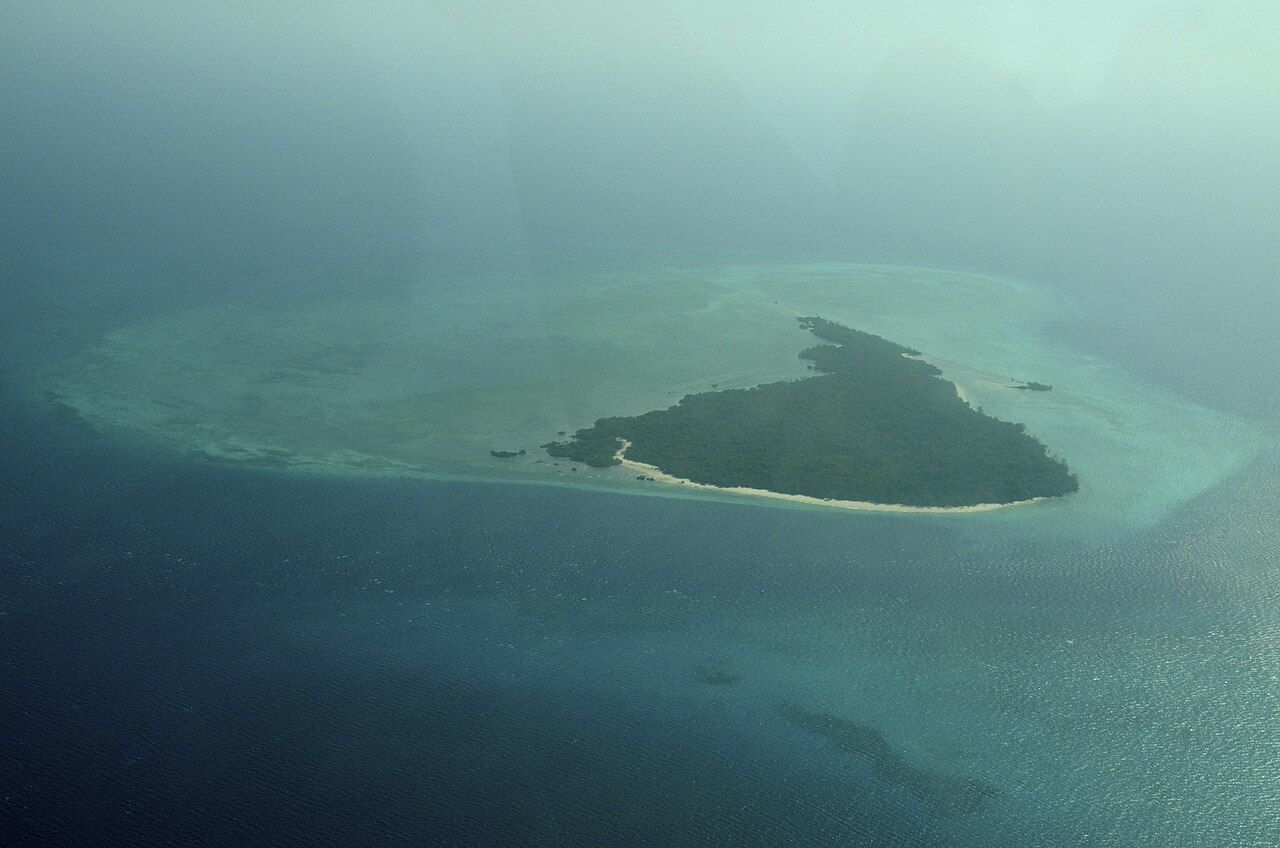
Pemba lies north of Unguja, the main island of Zanzibar, across a deep and often lively channel. The two are part of the same archipelago and the same semi-autonomous government, yet they feel very different. Where Unguja has a busy old town and beach strips, Pemba is hilly, deeply green and mostly agricultural, with narrow valleys, rice paddies, mango and coconut trees and, above all, cloves. Visitors are few, and the island moves at its own pace.
The clove island
Cloves have been grown on Pemba since the nineteenth century, and the island has long produced most of Zanzibar's crop. The trees are tall and glossy, and in the harvest months families pick the unopened flower buds by hand, then spread them on mats beside the road to dry. For a few weeks the smell hangs over whole villages and the buds turn from pink to the brown you know from a spice jar.
Spice trade remains important here and is regulated, so do not buy sacks of cloves from the roadside to take away. A small packet bought from a shop or market is a different matter. If you would like to see the farms, ask in town for a local guide; agree the route and fee first, and remember the trees and land belong to someone.
Ngezi forest and its flying foxes
In the north of the island, the Ngezi forest is a remnant of the dense tropical forest that once covered more of Pemba. It is protected, with short trails through tall trees, tangled undergrowth and patches of swampy ground. Walks are guided, and the guides know where the island's endemic animals are most likely to be.
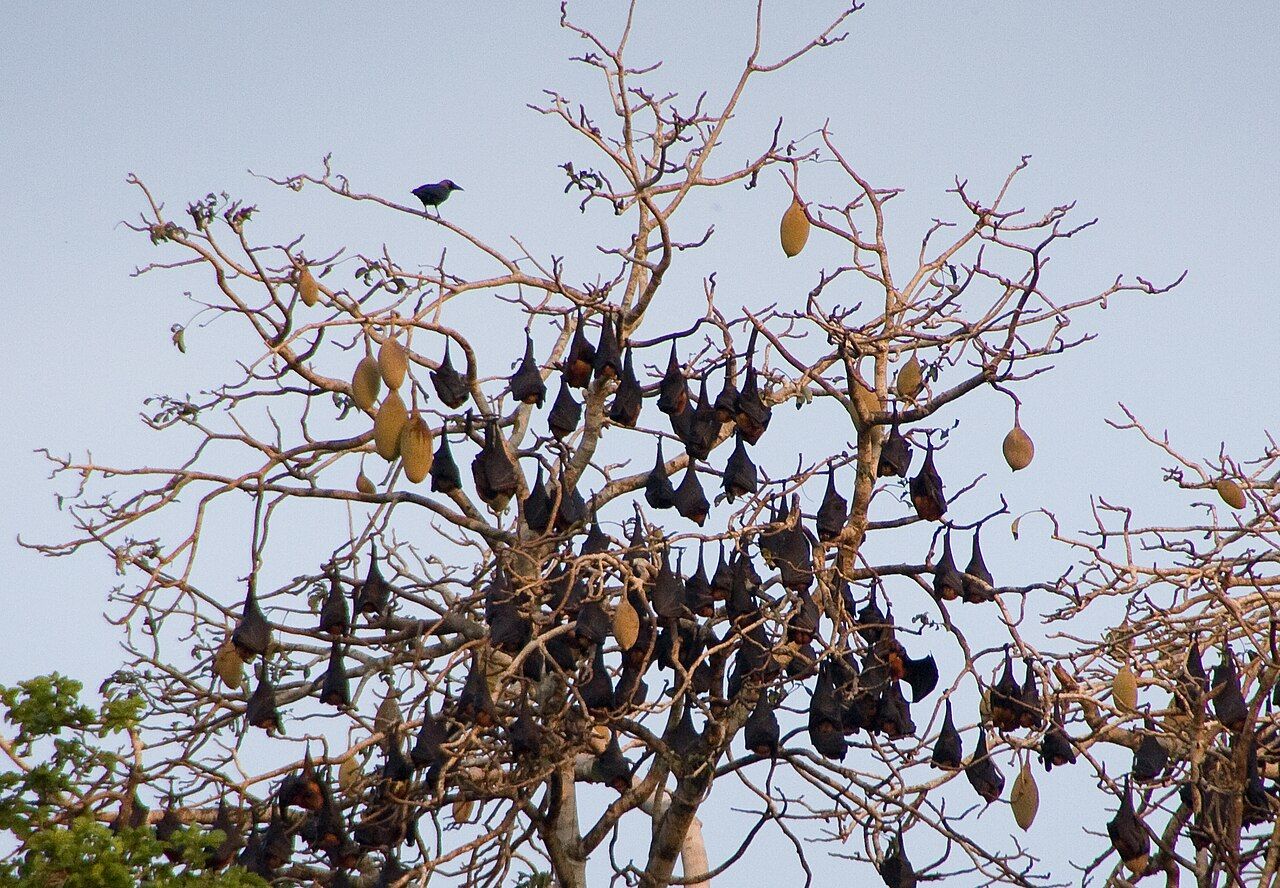
The best known of these is the Pemba flying fox, a large fruit bat found only here. It once declined sharply and has recovered with the help of local conservation work. You may also hear or glimpse birds found only on Pemba, among them a sunbird and a scops owl, and red colobus monkeys in some areas. Move quietly, keep your distance from roosts and follow your guide.
Further on: Mafia Island and the whale sharks
Misali and the reefs
Off the west coast, the small island of Misali sits in a protected marine area ringed by coral. Its beaches are used by nesting turtles, its trees by crabs and birds, and the reefs around it are among the healthiest on this coast. Day trips go out by boat in calm weather. Visitor fees support the protected area.
Diving around Pemba is known for steep walls and clear water, and for strong currents in the channel. It suits experienced divers in general, and the island's few dive operations brief carefully. Snorkellers do best on the sheltered reefs. Never stand on coral, do not feed fish, and leave shells where they are. Turtle nesting beaches need darkness and space: no torches near the sand at night, and no approaching a nesting turtle.
Towns and villages
Chake Chake, roughly in the middle of the west coast, is the main town, with a market, a few small streets of shops and a ruined fort. Wete in the north and Mkoani in the south are the other towns, each with a port. Old Swahili ruins lie scattered along the coast, some little more than coral-stone walls among the bush. None of these places is set up for tourism, which is the point: you see daily life rather than a performance of it.
Pemba is conservative and almost entirely Muslim. Cover shoulders and knees in towns and villages, keep beachwear for the beach, and expect daytime restaurants to be closed during Ramadan. Ask before photographing people, and accept a refusal gracefully. A greeting goes a long way, and some basic Swahili will be used and appreciated far more here than on busier coasts. The general points in visiting communities responsibly apply with extra weight.
Ferries to Mkoani
Ferries run between Unguja and the port of Mkoani, and small planes fly to Pemba from Unguja and Dar es Salaam. The channel can be rough, especially in windy months, and schedules shift, so keep a spare day in your plans. Arrival on Pemba, as on Unguja, can involve showing your passport even if you are coming from mainland Tanzania.
On the island, shared minibuses link the main towns, and hiring a car with a driver for a day or two makes the forest and coast easier. Distances are short but roads wind through the hills. Cash is important and card payment is uncommon.
Evenings are early and quiet. Food is simple and good: rice cooked in coconut, grilled fish, beans, cassava and, in season, mangoes and jackfruit sold by the roadside. Small eating houses in the towns serve lunch, and street stalls set up after dark near the markets. Alcohol is hard to find outside the few places that cater to visitors, and drinking in public would cause offence.
Clove harvest and drier months
The drier months from about June to October are the steadiest, with fresh breezes and clear water. January and February are hot and often good for the sea. The long rains, usually March to May, bring heavy downpours and choppy crossings. Malaria is present; speak to a doctor about prevention well before you travel. More on the pattern of the year is in the seasons guide.
Pictures here: Jojona – CC BY-SA; Marcel Oosterwijk from Amsterdam, The Netherlands – CC BY-SA

