
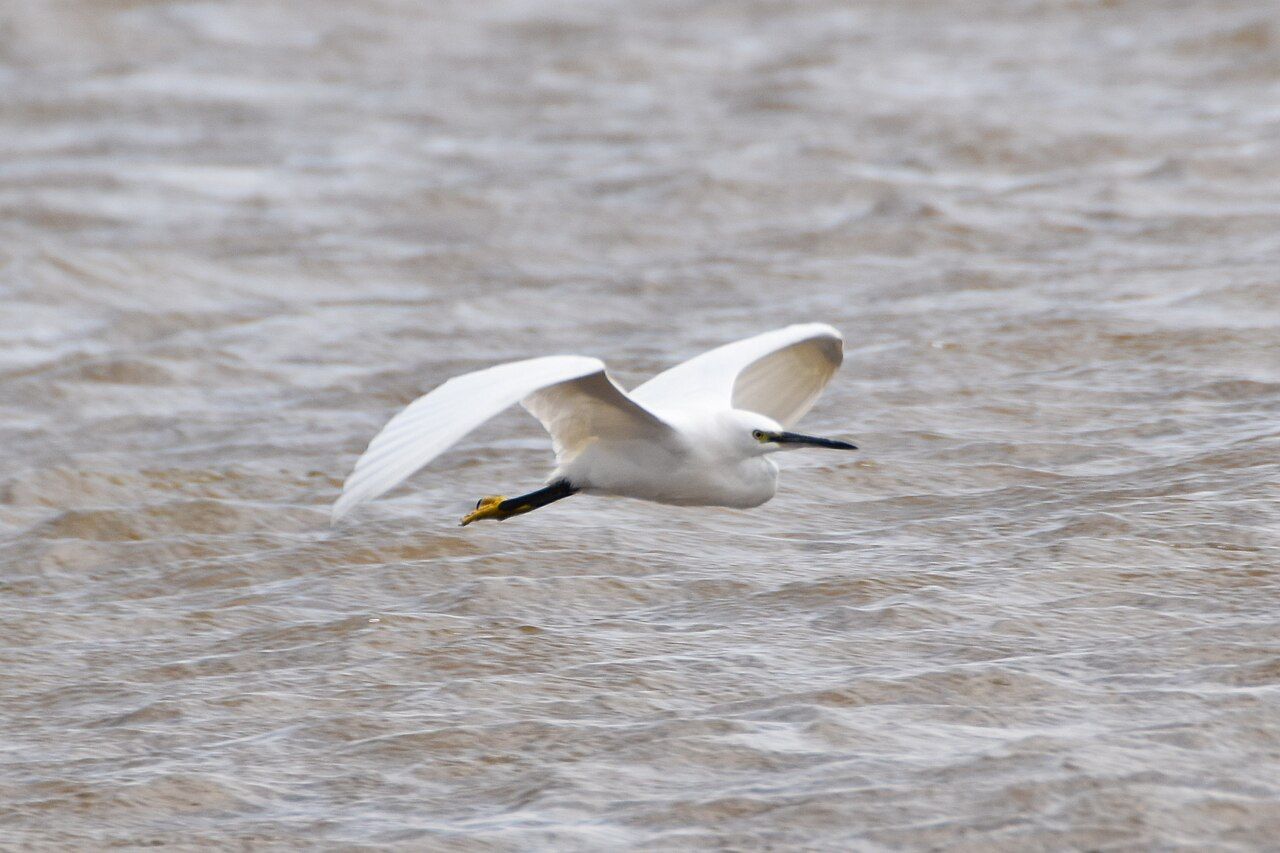
Lake Eyasi lies at the foot of a steep escarpment in northern Tanzania, south-west of the Ngorongoro highlands. It is a long, shallow soda lake whose size changes greatly with the seasons. In wet years it spreads across the valley floor; in dry years it shrinks to a white crust of salt and mud with patches of water.
The area around it is hot and dry, with acacia and baobab woodland, rocky hills and green irrigated fields. It is home to several peoples with very different ways of life, including the Hadzabe and the Datoga. A visit here is less about wildlife and more about land and people, and that calls for care.
The lake and the land
Eyasi sits in a branch of the Great Rift Valley, with the escarpment rising sharply to the north. Water flows into the lake from springs and seasonal rivers, but there is no outlet, and evaporation leaves the water salty and alkaline. When conditions are right, flamingos, pelicans and other water birds gather along the shore.
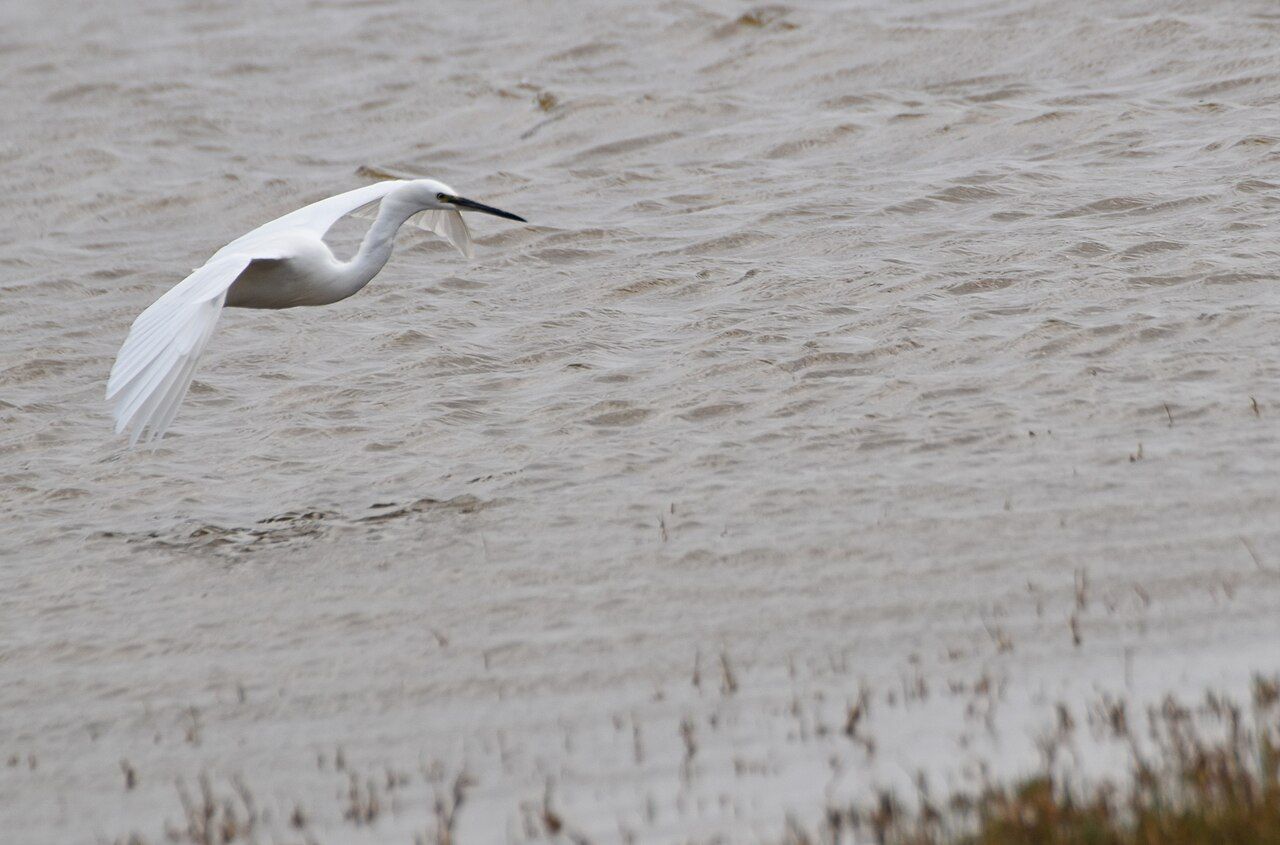
Walking out onto the shore, you find cracked mud, salt crust and a wide sky. Early morning and evening are the best times: the heat is gentler, the light is soft and birds are active. The escarpment behind you changes colour as the sun moves.
Onion farms
Around the village of Mang'ola, springs feed a patchwork of irrigated fields, and the main crop is onions. Many of the onions sold in northern Tanzania are grown here, and the smell of them hangs in the air in harvest season. The fields bring in workers from many parts of the country, and the village has grown busy with trade.
Walk through the farms with someone who knows the area, and you will see how water is channelled through the fields and how the crop is grown, harvested and packed. Respect the fields and ask before you take photographs of people at work.
Water is the thread that ties everything here together. Springs at the foot of the escarpment feed palm-lined streams and channels, and around them grow small groves of trees, gardens and patches of green that stand out sharply against the dry woodland. These are good places to sit in the shade and watch weavers and sunbirds busy in the palms.
The farms have changed the area quickly. Land that was once woodland is now under crops, and water drawn for irrigation affects how much reaches the lake. These pressures fall hardest on the people who depend on the woodland itself.
Further on: Lake Natron, under the mountain of God
The Hadzabe
The Hadzabe are one of the last peoples in Africa who still live largely by hunting and gathering. They live in small groups in the woodland around the lake, hunting with bows and arrows and gathering tubers, fruit and honey. Their language uses click sounds and is not closely related to any other.
Their way of life is under pressure. Land around the lake has been taken for farming and grazing, game has declined, and tourism has brought both income and problems. Many visits are short, and some feel like a performance put on for cameras. That is something to think about carefully before you go.
If you choose to visit, go with a guide who has a long, respectful relationship with the community, and ask how payments reach the people you visit. Keep the group small, follow instructions, and do not treat anyone as a spectacle. Ask before you take any photograph, accept a refusal without argument, and do not give sweets or money to children. Listen more than you look, and leave without expecting anything to be performed.
The Datoga
The Datoga are pastoralists who keep cattle and other livestock in the area around the lake. Some Datoga families are known for their skill as smiths, turning scrap metal into arrowheads, bracelets and other objects in small forges. Watching a smith at work, with bellows and a simple fire, can be a real insight into a living craft.
As with any visit to people's homes, ask first, keep your group small and follow your guide's lead. If you want to buy something, pay a fair price directly to the maker.
Visiting ethically
Eyasi raises questions that travel elsewhere often hides. Who benefits from your visit? How does it feel to be visited? Is what you see real or arranged for you? There are no simple answers, but there are good practices: choose guides who are open about how money is shared, keep visits low-key, and avoid anything that makes people into an exhibit.
The page on visiting communities and wildlife responsibly goes further into these questions, and a little Swahili, from the guide to Swahili for the road, helps you greet people properly.
The road down from Karatu
Lake Eyasi is reached by road from Karatu, near the Ngorongoro highlands, on a mix of tarmac and dirt. The journey takes a couple of hours, depending on the condition of the tracks. Community and district fees may apply.
The dry season, from about June to October, is the easiest time to travel. It is hot by day, so bring a sun hat, plenty of water and a scarf for the dust. Wear modest, comfortable clothes. Eyasi pairs well with Lake Natron to the north for a journey through the quieter Rift Valley.
Pictures here: Bärbel Miemietz – CC BY; Bärbel Miemietz – CC BY

